





Zirconia versus porcelain pental restorations,which one is better?
 Apr 19, 2018|
 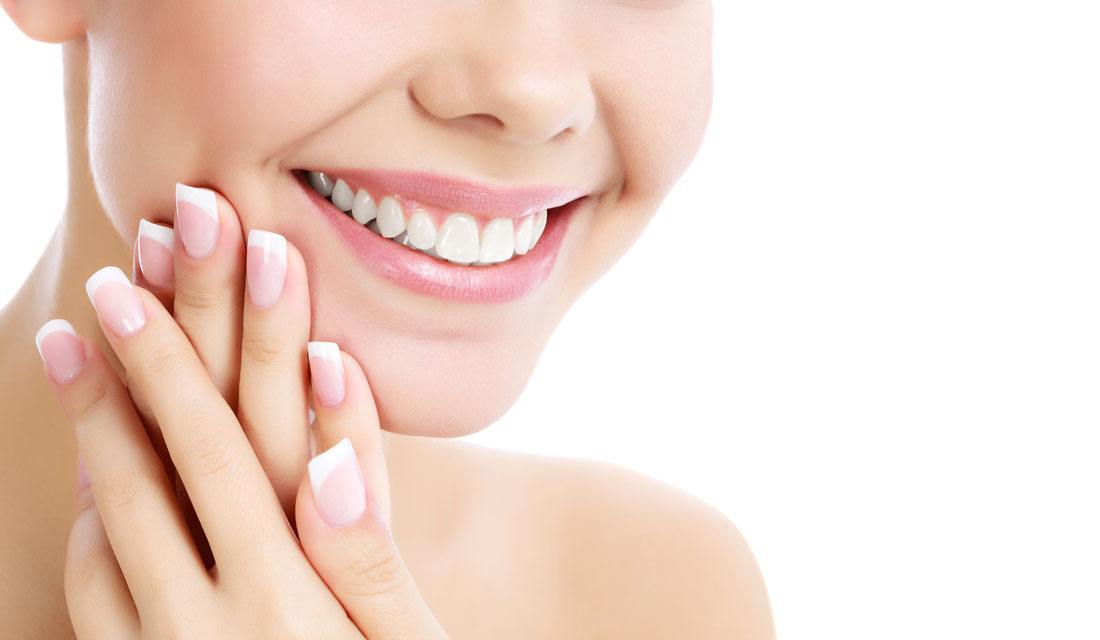 When considering zirconia versus porcelain penta restorations, neither is objectively "better" in an absolute sense. Instead, the choice between them depends on several factors, including aesthetic requirements, strength needs, durability expectations, and cost considerations.
Aesthetic Qualities
Porcelain Penta Restorations:
It has excellent translucency, which allows light to interact with the restoration in a way that closely resembles how it would with a real tooth. The material can be precisely color-matched to the patient's existing teeth, creating a seamless and natural look within the smile. Additionally, porcelain can be crafted with fine details to replicate the intricate anatomy of natural teeth.
Zirconia Restorations:
Zirconia has also made significant advancements in aesthetics in recent years. While it is a ceramic material like porcelain, modern manufacturing techniques have improved its translucency to a considerable extent. Zirconia restorations can now achieve a more natural appearance and can be customized to match the color of the patient's teeth. However, compared to some high-end porcelain options, zirconia might still have a slightly different light-reflecting quality due to its inherent material properties. But it offers the advantage of having no metal component (unlike some porcelain-fused-to-metal restorations), which eliminates the risk of a visible metal line at the gum line and ensures a more consistent and natural-looking restoration overall.
Strength and Durability
Porcelain Penta Restorations:
Porcelain is relatively brittle despite being stronger than natural tooth enamel. In penta restorations, especially in areas where significant chewing forces are exerted (such as posterior teeth), porcelain can be more prone to chipping or cracking. For example, if a patient has a strong bite or engages in teeth grinding (bruxism), porcelain restorations may not hold up as well over time. However, porcelain-fused-to-metal penta restorations can have better strength due to the metal base providing support, but they may sacrifice some aesthetic appeal as mentioned earlier.
Zirconia Restorations:
Zirconia is highly regarded for its strength. It has a much higher flexural strength compared to porcelain, typically ranging from 900 MPa to over 1500 MPa depending on the specific formulation and manufacturing process. This makes zirconia restorations extremely durable and capable of withstanding heavy chewing forces. Whether it's for anterior or posterior teeth, zirconia is less likely to fracture or break under normal or even excessive biting conditions. This durability is a significant advantage, especially for patients who require long-lasting restorations or have habits that put extra stress on their teeth.
Manufacturing Process and Precision
Porcelain Penta Restorations:
The manufacturing of porcelain penta restorations often involves traditional ceramic crafting techniques combined with modern dental technology. Skilled technicians may build up the restoration layer by layer, shaping and firing it multiple times to achieve the desired shape, color, and strength. However, this process can be more time-consuming and may have a slightly higher margin for human error compared to some fully automated manufacturing methods.
Zirconia Restorations:
Zirconia restorations are typically produced using computer-aided design (CAD) and computer-aided manufacturing (CAM) technologies. A digital scan of the patient's tooth or teeth is taken, and then a precise model of the restoration is created on a computer. The actual restoration is milled from a solid block of zirconia material with high precision, ensuring an accurate fit within the patient's mouth. This automated process reduces the likelihood of errors and results in restorations that fit snugly and function effectively.
Cost Considerations
Porcelain Penta Restorations:
The cost of porcelain penta restorations can vary depending on the type (e.g., all-ceramic or porcelain-fused-to-metal) and the complexity of the restoration. Generally, all-ceramic porcelain options tend to be more expensive than some porcelain-fused-to-metal ones due to their aesthetic superiority. However, overall, porcelain restorations can be more budget-friendly compared to zirconia restorations in some cases, especially when considering simpler anterior tooth restorations.
Zirconia Restorations:
Zirconia restorations are usually more costly because of the high-quality zirconia material itself and the advanced manufacturing technologies involved. The price reflects the durability and strength of the material as well as the precision of the CAD/CAM production process. But for patients who prioritize long-term performance and are willing to invest more in their dental restorations, the higher cost of zirconia may be justified.
Maintenance and Long-Term Care
Porcelain Penta Restorations:
Like natural teeth, porcelain restorations require good oral hygiene practices. Regular brushing, flossing, and dental check-ups are essential to prevent plaque buildup and potential damage. Due to their relative brittleness, patients need to be cautious about biting on hard objects to avoid chipping or cracking the restoration.
Zirconia Restorations:
Zirconia restorations also demand proper oral hygiene, but their durability means they are less likely to be damaged by normal chewing forces. However, in the event of any damage, repairing zirconia restorations can be more complex and may require specialized equipment and expertise compared to some simpler porcelain restorations.
if aesthetics are the top priority, especially for anterior teeth and in cases where biting forces are not extremely high, porcelain penta restorations might be a suitable choice. On the other hand, if strength, durability, and the ability to withstand heavy chewing forces are more crucial, along with a desire for a metal-free restoration with good aesthetics, zirconia restorations would be a better option. Ultimately, the decision should be made in consultation with a dentist, who can evaluate the patient's specific dental needs, oral health, and individual circumstances.
