





What is a dental bridge?
 Sep 26, 2019|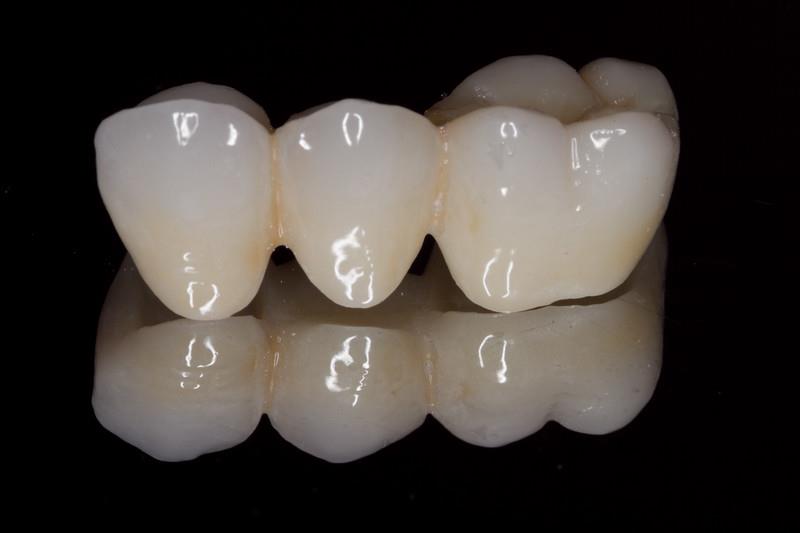
What Is a Dental Bridge?
When faced with missing teeth, a dental bridge serves as a highly effective restorative solution. It is a prosthetic device designed to replace one or more missing teeth by "bridging" the gap in your smile. The bridge consists of a false tooth, called a pontic, which is securely anchored to abutment teeth on either side of the gap.
Pontics can be made from various materials-such as gold or composite-but porcelain is often preferred for its aesthetic properties, allowing restorations to blend seamlessly with the natural dentition.
Types of Dental Bridges
There are four primary types of dental bridges, each tailored to specific clinical scenarios:
1. Traditional Dental Bridge
The most commonly used bridge type, featuring a pontic supported by dental crowns cemented onto the adjacent abutment teeth.
Ideal for: Gaps with healthy natural teeth on both sides
Key Benefit: Strong, stable foundation
Clinical Data: Success rate of 85–90% over 10 years (Journal of Prosthodontics)
2. Cantilever Dental Bridge
Uses a crown on just one abutment tooth to support the pontic.
Best for: Cases where only one adjacent tooth is available
Consideration: May exert uneven force; best with careful patient selection
Lifespan: Typically 5–10 years with proper care
3. Maryland Dental Bridge
A conservative design that uses metal or porcelain wings bonded to the backs of adjacent teeth instead of full crowns.
Advantage: Preserves more natural tooth structure
Note: Relies heavily on adhesive strength; typically used for anterior teeth
Expected Lifespan: 5–8 years with modern bonding techniques
4. Implant-Supported Dental Bridge
Anchored by dental implants rather than natural teeth.
Ideal for: Multiple adjacent missing teeth or when adjacent teeth are compromised
Benefits: High durability and stability
Clinical Data: Over 90% implant survival rate after 15 years
Process: Requires surgical implantation and several months of healing
What Does a Dental Bridge Cost?
Costs can vary significantly based on the following factors:
| Factor | Impact on Price |
|---|---|
| Number of Missing Teeth | More pontics = higher cost |
| Material Used | Zirconia: $1,500–$3,000/unit Resin: $500–$1,500/unit |
| Case Complexity | Anatomical challenges or precision alignment add to costs |
| Pre-treatment Requirements | Gum disease or bone grafts can increase total cost |
| Location | Prices are typically higher in urban regions |
Dental Bridge vs. Dental Implant
| Feature | Dental Bridge | Dental Implant |
|---|---|---|
| Lifespan | 5–15 years | 15+ years (with proper care) |
| Support Type | Natural teeth | Titanium or zirconia implants |
| Surgery Required | No (except implant-supported bridges) | Yes |
| Maintenance | Routine oral care | Requires excellent hygiene |
| Cost | Moderate | Higher initial investment, longer lifespan |
Why Do You Need a Dental Bridge?
Missing teeth can negatively impact more than just your appearance-they affect oral function, facial structure, and overall health. A dental bridge helps by:
Restoring Your Smile: Fill visible gaps and boost self-confidence.
Improving Chewing Efficiency: Enhances digestion and nutrition.
Correcting Speech: Restores proper pronunciation and clarity.
Preserving Facial Shape: Prevents the sunken appearance from tooth loss.
Rebalancing Bite Forces: Protects remaining teeth from excessive wear.
Preventing Tooth Shifting: Maintains proper tooth alignment in the arch.
Why Choose Zirconia for Your Dental Bridges?
As a factory dedicated to producing premium zirconia block products, we understand the critical role that material quality plays in clinical outcomes.
✅ Strength & Longevity
Our zirconia blocks feature flexural strength up to 1,200 MPa, making them resistant to cracking and ideal for both anterior and posterior restorations.
✅ Aesthetic Excellence
Engineered for high translucency, our zirconia offers unmatched natural appearance-blending seamlessly into any patient's smile.
✅ Biocompatibility
Zirconia is metal-free and 100% biocompatible, reducing the risk of allergic reactions or soft tissue irritation.
✅ Precision Workability
Our zirconia blocks are optimized for CAD/CAM systems, enabling precise milling, smooth margins, and minimal wear on opposing teeth.
🏭 Our Commitment to Excellence
We employ advanced manufacturing techniques and rigorous quality control standards to ensure our zirconia blocks deliver:
High strength & translucency
Exceptional machinability
Consistent clinical performance
We empower dental professionals and labs to provide patients with long-lasting, natural-looking, and safe dental bridge solutions.
related products


