





The Advantages Disadvantages of Zirconia Crowns
 Aug 07, 2018|
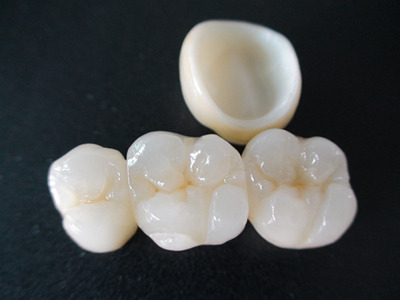
Zirconia (zirconium dioxide) crowns are made of solid monolithic zirconia ceramic material. Although discovered in 1789 by the German chemist Martin Heinrich Klaproth, zirconia has been used as a biomaterial since the late 1960s. Its use as a dental restorative material became popular in the early 2000s with the advent of CAD-CAM technology. In the later part of the decade they became available as preformed crowns for primary teeth.
Advantages
High Strength and Durability
They have high flexural strength, typically between 900 and 1500 MPa, depending on the specific formulation and manufacturing process. They have strong fracture resistance and can withstand the tremendous forces generated during chewing and biting. In clinical studies comparing the performance of different crown materials under simulated chewing forces, zirconia crowns withstood repeated loads several times higher than porcelain crowns or some other traditional ceramic crowns. In practical applications, this means that zirconia crowns are less likely to chip, crack or break, providing patients with a long-lasting restoration option.
Excellent Aesthetic Quality
Modern zirconia crowns provide excellent aesthetic results. Advanced coloring technology allows them to be precisely matched to the patient's natural teeth. Manufacturers are able to produce a variety of zirconia shades that closely match the different shades in the Vita shade guide to blend seamlessly with the surrounding dentition. In addition, zirconia has a certain degree of translucency, similar to natural tooth enamel. Unlike some metal-ceramic crowns, which sometimes cause a gray or unnatural appearance to the gums at the gum line, zirconia crowns do not have this problem and have a more realistic overall appearance.
Biocompatibility
Zirconium oxide is highly biocompatible with human tissue. It is chemically inert in the oral environment, does not release harmful substances, and does not cause allergic reactions in most patients. Numerous clinical studies have shown that the use of zirconia crowns can minimize inflammation or irritation of the surrounding gum tissue. For example, long-term follow-up studies have shown that the incidence of redness, swelling, or bleeding around the gums is significantly reduced with zirconia crowns compared to crowns made of certain metal alloys. This biocompatibility ensures patient health and comfort, which is a key factor in the success of dental restorations.
Good thermal insulation properties
Compared to metals, zirconia has relatively poor thermal conductivity. This property is advantageous in dental applications because it helps to isolate teeth from extreme temperature changes. When patients consume hot or cold food and beverages, zirconia crowns can act as a cushion to reduce the impact of temperature changes on the pulp structure and pulp. This helps maintain tooth vitality and prevents tooth sensitivity issues that can be caused by materials with higher thermal conductivity.
Flexible Manufacturing Processes
Zirconium oxide crowns can be manufactured with high precision using computer-aided design and computer-aided manufacturing (CAD/CAM) techniques. The material is compatible with a wide range of milling machines and software systems in the dental industry. This allows dental technicians to create beautifully designed, custom-made crowns with an exceptional fit. The ability to precisely shape the zirconia block to the desired crown geometry allows it to better adapt to the patient's tooth preparation, reduces the need for over-adjustment, and ensures a snug fit. Zirconia can also be used to make single crowns, multi-bridges, and implant-supported restorations.
Color Stability
Once manufactured, zirconia crowns retain their color over time. They are resistant to staining and discoloration caused by food, beverages, and the oral environment. This color stability ensures that the crown maintains a consistent aesthetic throughout its life, providing patients with a reliable and aesthetically pleasing restorative solution.
Disadvantages
Cost
One of the main disadvantages of zirconia crowns is their relatively high cost, which is relatively high compared to other types of crowns, such as traditional porcelain crowns or acrylic crowns. The production process of zirconia crowns requires high-quality raw materials, precision manufacturing technology, and often CAD/CAM processing, which leads to their high price. In addition, the equipment required to process zirconia, such as specialized milling machines and sintering furnaces, is also expensive. This makes zirconia crowns difficult to obtain for some patients or dental clinics with limited budgets.
Difficult Adjustment
Zirconium oxide is a hard and brittle material. Once it is made and placed in the patient's mouth, it can be difficult to make adjustments. Unlike some softer dental materials that can be easily ground or modified with a dental handpiece, zirconia requires specialized tools and techniques to make any necessary modifications. For example, if a bite problem occurs after the crown is installed and minor adjustments are required, it may take more time and expertise to correct it than with a more malleable material. This can increase the complexity and cost of post-installation adjustments in the dental clinic.
Poor Restorability
If a zirconia crown becomes damaged, such as cracked or chipped, it is usually not easy to repair. Unlike some metal or composite resin restorations, which can be relatively easily repaired by adding or rebuilding the damaged portion, zirconia crowns often need to be replaced. Due to the properties of the material and the manufacturing process, it is difficult to restore the integrity and aesthetics of a damaged zirconia crown in a cost-effective manner. This means that if a problem occurs, the patient may need to have a crown made again, which is inconvenient and more expensive.
Esthetics in Special Situations
While zirconia crowns generally provide excellent aesthetic results, they may not look as natural as other materials under certain extreme or specific lighting conditions. For example, in very bright or direct light, the light reflection and refraction patterns of zirconia may differ slightly from natural teeth, although this difference is usually subtle. In addition, for patients with extremely aesthetic requirements and special dental features, achieving a perfect match with surrounding teeth may be challenging, even with zirconia's rich color and translucency.
Weight
Zirconium oxide is a relatively dense material compared to some other dental materials. While the weight difference may not be noticeable in most cases, for patients with multiple or larger restorations, the cumulative weight of a zirconia crown may cause a slightly different feel in the mouth or cause additional pressure on abutment teeth or implants over time. However, this is a relatively minor concern that is usually outweighed by the other advantages of zirconia crowns in most clinical situations.
related products


